Israel
Country in Middle East
From historic alleys to modern urban areas, Israel is experienced through contrasts: the sacred and the everyday, tradition and innovation, markets bursting with aromas, and top-tier museums. The general atmosphere is intense, authentic, and "alive." It is the kind of destination that challenges you to see, understand, and feel—which is exactly why it deserves to be planned carefully, with a balanced itinerary and time for those unscriptable moments.
Where we go in Israel
About Israel
Why Travel to Israel
Israel is a fascinating Middle Eastern destination where millennial history, spirituality, and modernity converge. From sacred Jerusalem and biblical Nazareth to the beaches of Tel Aviv and the unique floating experience in the Dead Sea, Israel offers memorable cultural circuits, pilgrimages, and city breaks.
The mild climate, Mediterranean gastronomy, and cultural diversity transform every journey into an authentic experience. Discover Israel with organized tourist packages—safe and carefully planned for a worry-free vacation.
6 Reasons to Plan a Vacation in Israel

Gemini said History and Heritage
Israel is an outdoor "history textbook" destination: from the Old City of Jerusalem (a UNESCO World Heritage site) to ancient coastal sites. You will feel how eras overlap as you walk, and many locations hold global significance, far beyond their local borders.

Nature and Landscapes
In a single trip, you can combine desert landscapes, the Mediterranean coastline, and green regions in the north. It is a destination well-suited for active experiences (hiking, exploration), not just cultural visits.

Vibrant Culture and Traditions
The traditions of three major world religions, the calendar, and the rhythm of the week (including Shabbat) create a very distinct identity for this place. It is precisely this authenticity that gives the journey a special "texture," setting it apart from a classic European city break.

Remarkable Local Gastronomy
Israel is best discovered through its markets and street food: from the "shuk culture" (Mahane Yehuda in Jerusalem) to the Carmel Market in Tel Aviv. The food is fast, aromatic, and highly "shareable"—perfect for days filled with exploration.

Top-Tier Hospitality
Chic, well-maintained, and clean hotels turn a journey to Israel into a superior experience. In the markets, neighborhoods, and pilgrimage sites, interaction with the locals is friendly and full of warmth. With a well-constructed itinerary (and realistic visiting times), the experience becomes truly memorable.

Safety and Comfort
Israel boasts excellent tourist infrastructure and modern services in all major cities. If you prefer to travel independently rather than with an organized group, you can rely on high-speed train lines connecting major cities, and within them, you can safely use all public transport services.
What You Must See in Israel
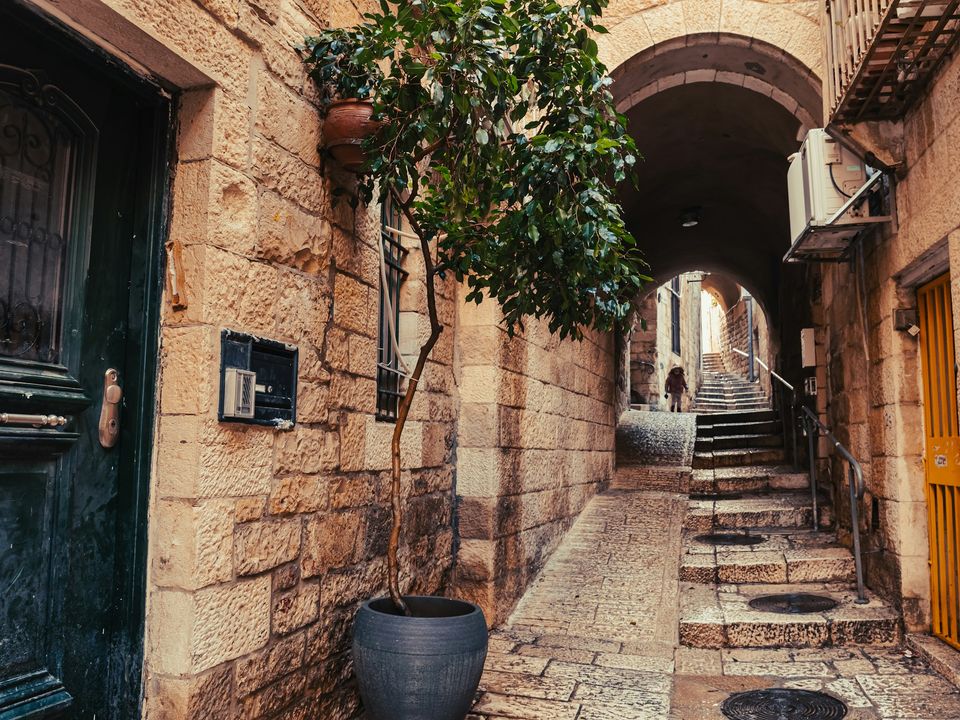
In Israel, every location tells a story. Explore ancient cities with stone-paved alleys and sacred sites steeped in spirituality, where history comes to life at every step. Discover modern and vibrant beaches along the Mediterranean, spectacular desert landscapes, and unique places where nature creates truly memorable experiences.
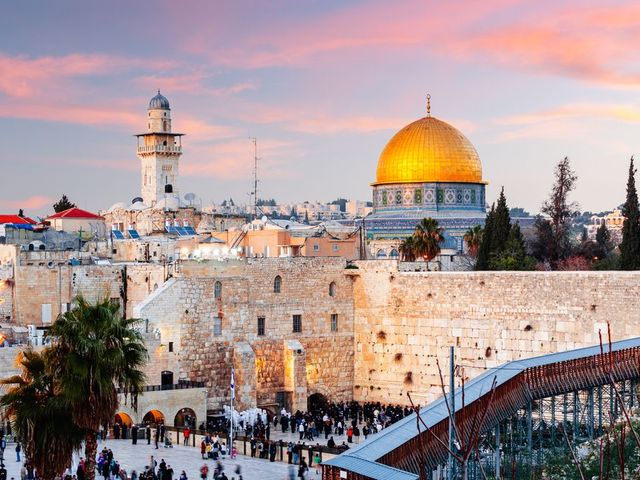
Jerusalem – The Old City and its Walls
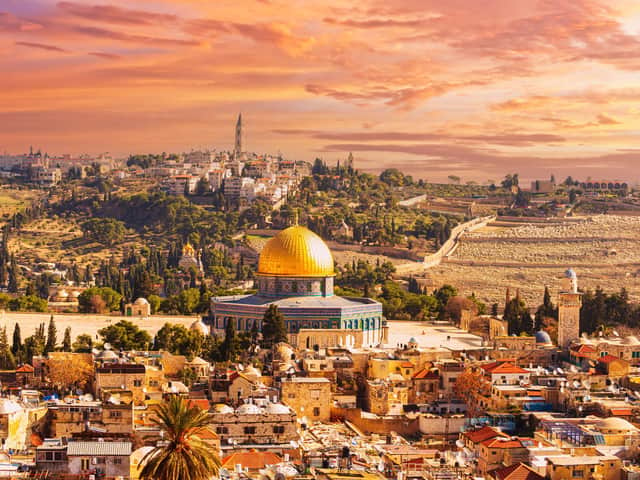
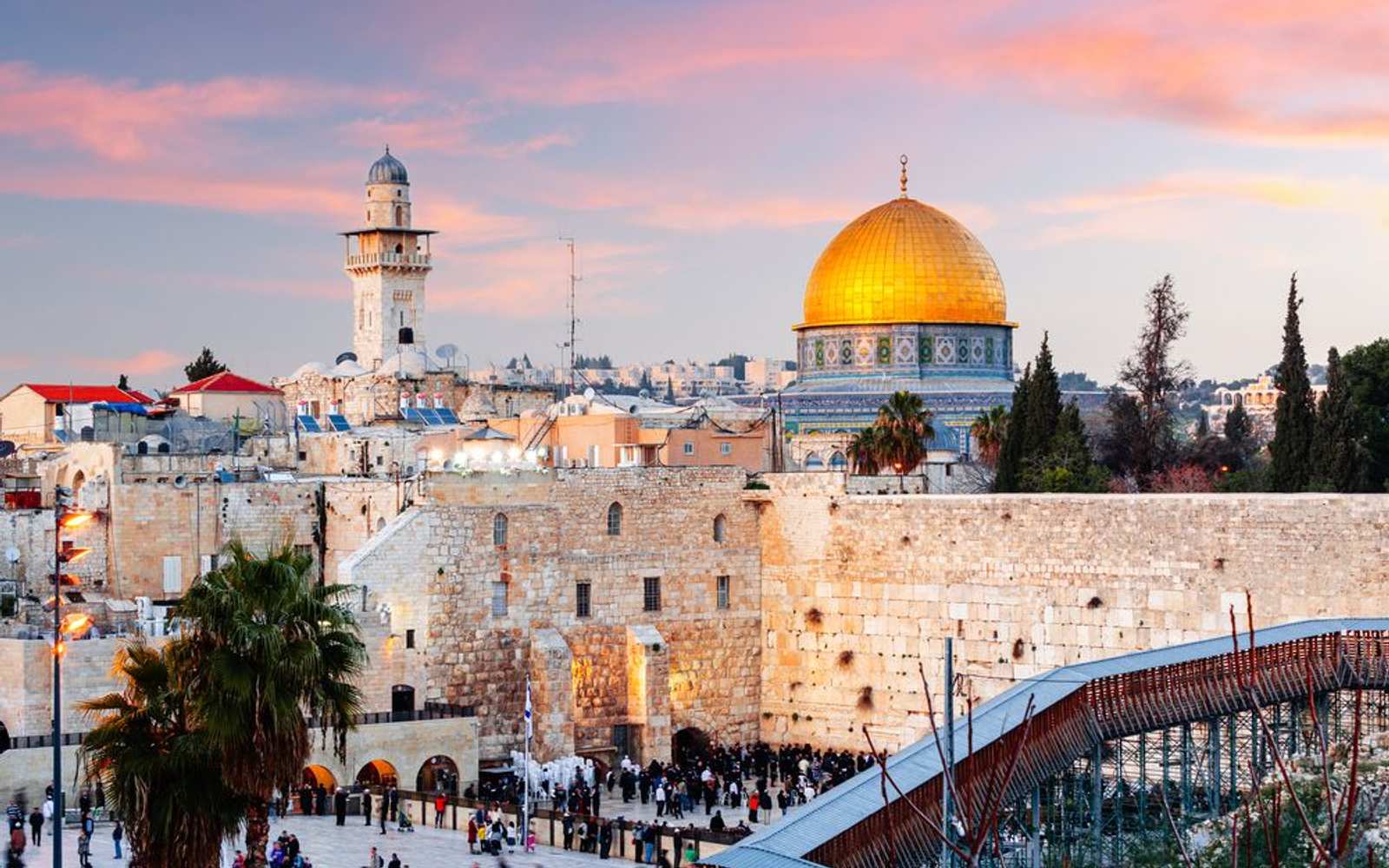
The Old City is the "center of gravity" for many journeys: spiritual, cultural, and historical. It is recognized as a sacred site for the three major monotheistic religions, featuring iconic monuments and an atmosphere impossible to replicate anywhere else.
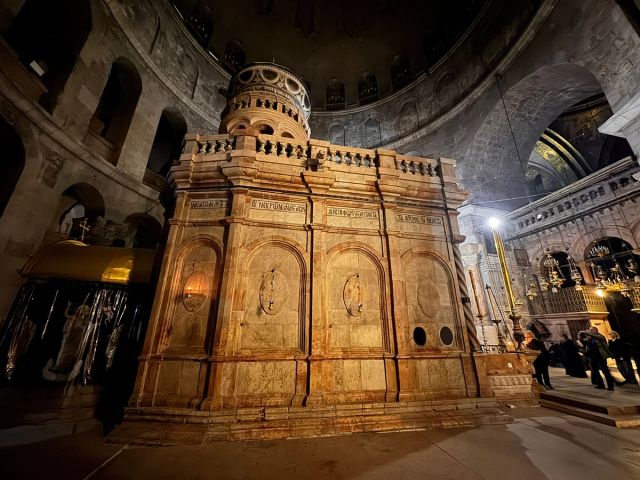
The Church of the Holy Sepulchre
A cornerstone for Christian pilgrimage with a profound emotional impact. It is also one of the most visited sites in Jerusalem, so timing your visit is crucial.
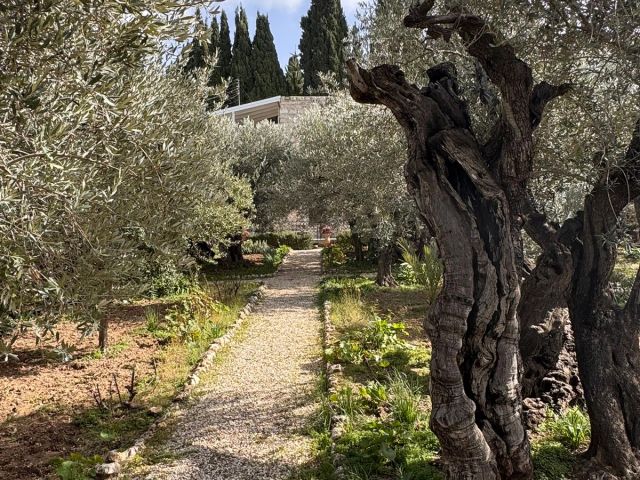
Mount of Olives and the Garden of Gethsemane
One of the most iconic panoramas over Jerusalem, and a spiritual route easily integrated into a visit to the Old City. The area includes landmarks frequently featured in itineraries, such as the Church of All Nations (built upon the rock where tradition holds Jesus prayed His last prayer).
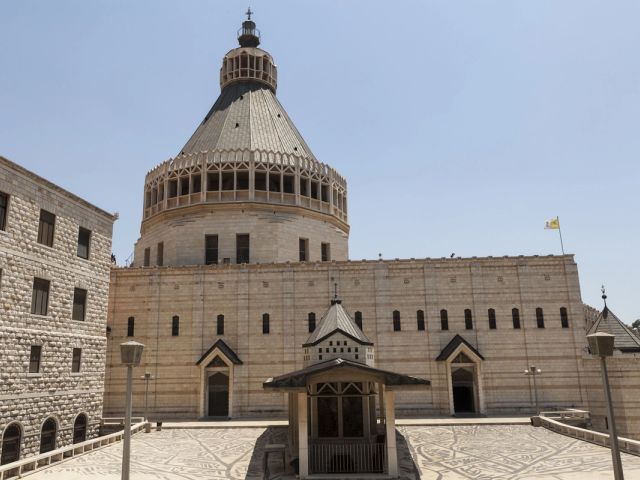
Nazareth – Basilica of the Annunciation
Nazareth is a major landmark in the north, highly sought after in tours and pilgrimages. The Basilica of the Annunciation has a published visiting schedule adapted seasonally and for holidays, which helps in organizing transport and stopover times.
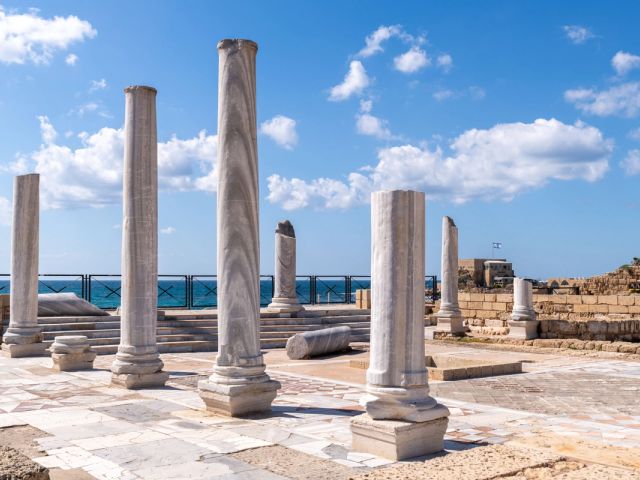
Caesarea National Park
One of the most spectacular locations: Roman ruins, an ancient theater, and an excellent setting for a day of "history + sea" exploration.
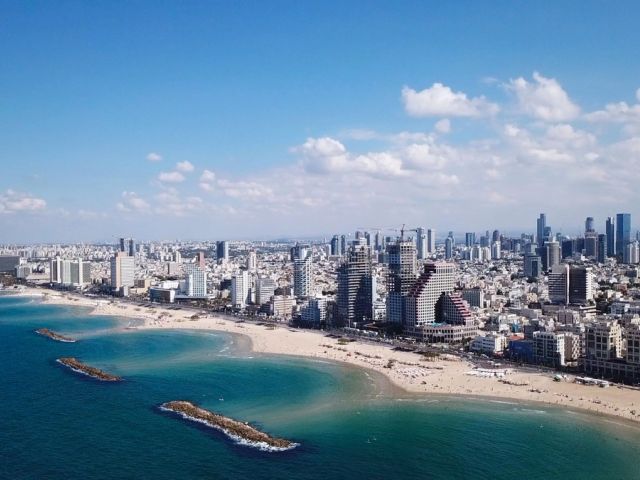
Tel Aviv – White City (UNESCO)
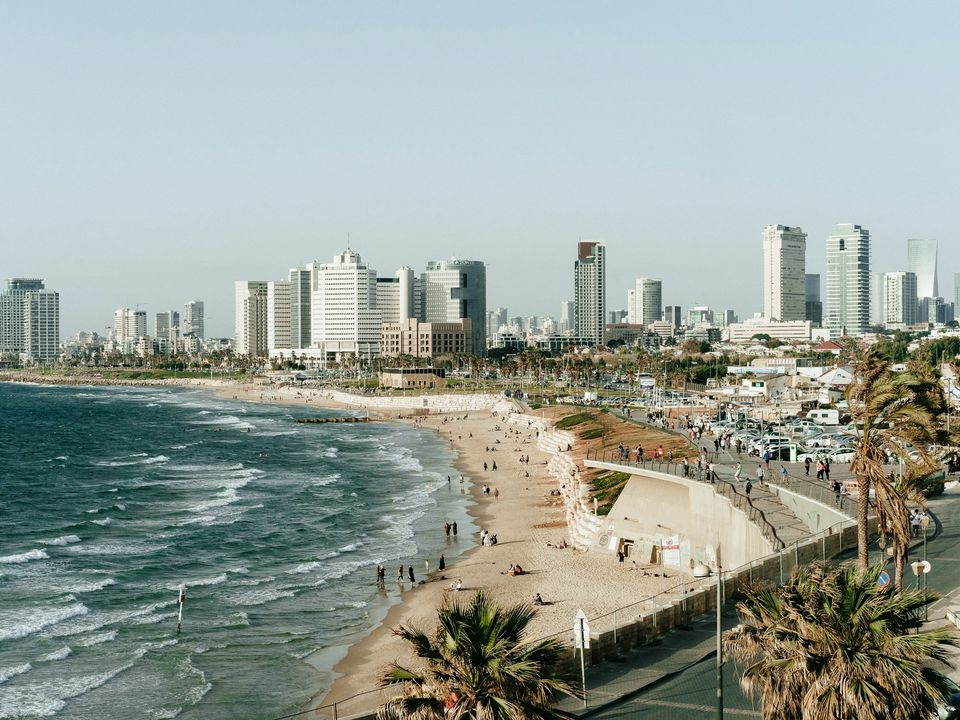
Tel Aviv is the ideal choice for a city break: beaches, a long promenade, creative neighborhoods, and modernist architecture. The "White City" (Modern Movement) is a UNESCO World Heritage site and works perfectly as an urban exploration or architectural walking tour.
What You Can Do in Israel
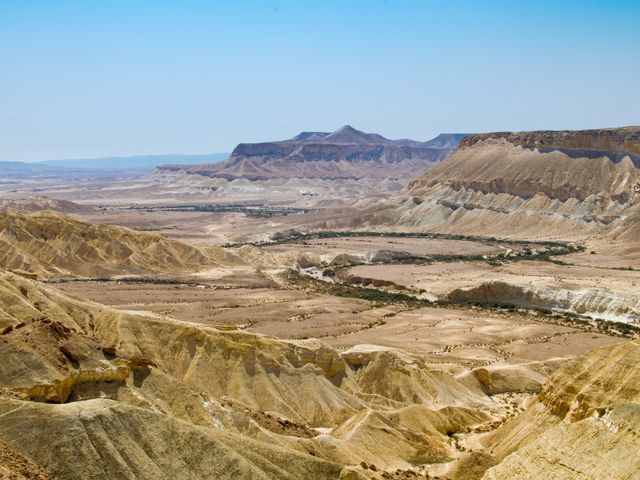
Adventures and Nature
Israel is well-suited for active days: desert explorations, nature hikes, and water activities (depending on the area and season). For comfort, avoid the midday hours during the hottest months and plan your activities early in the day.
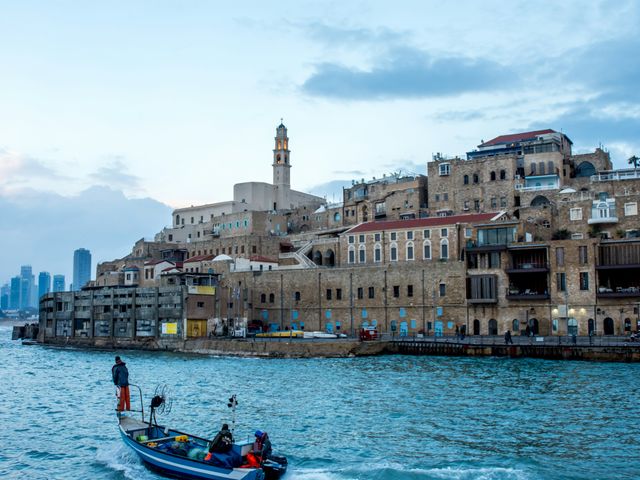
Culture and Art
If you want to experience a cultural Israel, include "anchor" museums. The Israel Museum (Jerusalem) has a clear schedule (including special intervals), making it easy to integrate into a city break or tour itinerary. In Tel Aviv, you can link UNESCO heritage (the White City) with local neighborhoods, galleries, and markets.

Relaxation and Wellness
For relaxation, Tel Aviv offers beaches and an excellent gastronomic scene, while escapes to wellness areas (e.g., the Dead Sea) perfectly complement a tour.
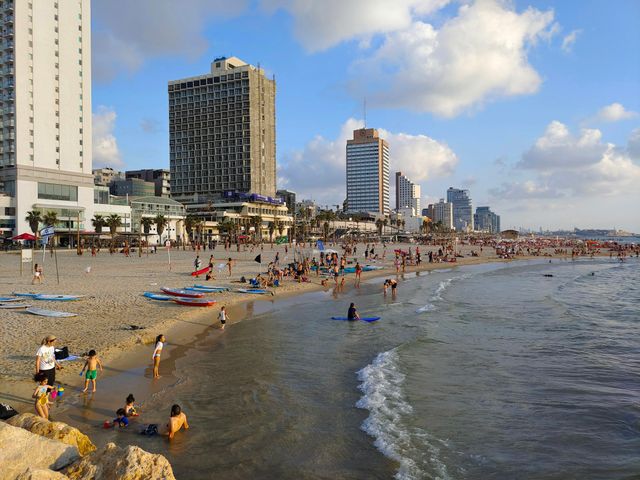
Activities for Families and Children
For families, the "short sights + breaks" combination works best: museums (indoor), markets (for snacks), promenades, and the beach. Keep Shabbat in mind: some institutions may have modified schedules or be closed, so always check in advance.
Culture and Gastronomy
Experience the Soul of Israel
Culture
In Israel, Shabbat influences the rhythm of the cities: in Tel Aviv, public transport does not operate during Shabbat, but there is a free weekend transport system as well as private alternatives (taxis, "shared-route" service taxis, bike/scooter rentals, and car sharing).
Gastronomy
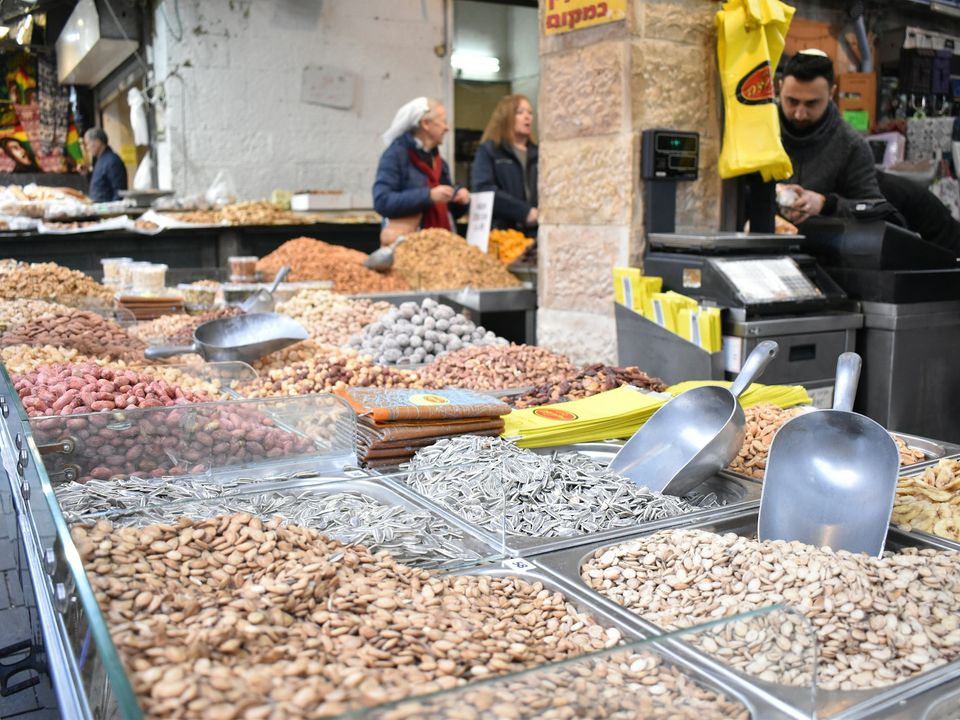
Gastronomy is best experienced in the markets: Mahane Yehuda (Jerusalem) is a major tourist and culinary landmark, while Carmel Market (Tel Aviv) is one of the best stops for snacks, spices, and the city's energy.
Must-try dishes:
- Hummus, falafel, shakshuka, sabich, and borekas — very popular staples of the local cuisine.
- Tipping: In restaurants, a common benchmark found in travel guides is approximately 10–15%, depending on the quality of service.
Practical Information
Everything You Need to Know Before You Go
When to Go
Summer (June–September) in Tel Aviv is generally hot and humid, but rain is rare during the summer holiday season. For more comfortable cultural visits, it is better to choose spring and autumn for milder temperatures and a more pleasant pace for walking.
Documents and Entry Requirements
Israel uses the ETA-IL system for visitors from visa-exempt countries. It costs 25 NIS, is valid for up to 2 years (or until your passport expires), and allows for stays of up to 90 days per visit. Your passport must be valid for at least 90 days from the date of entry.
Health and Safety
Israel is a destination with a very well-developed healthcare system. It is recommended to take out travel health insurance to avoid high costs should you encounter any health issues. Israel has strict security regulations, especially for access to religious or highly significant cultural sites.
Money and Payments
The currency is the Israeli Shekel (ILS/NIS), and 1 shekel is divided into 100 agorot. Consult official sources for the correct exchange rate.
Transport
In Tel Aviv, public transport does not operate during Shabbat, but there is a free weekend transport system and private alternatives (taxis, "shared-route" service taxis, bike/scooter rentals, and car sharing).
- Taxis: Regulations require the use of a meter, and the price is as displayed in NIS.
- Public Transport: The Rav-Kav card (and digital payment solutions) is very useful; you can top it up and pay using a bank card.
Why travel with Pro Travel

Worry-free planning
We take care of every detail - transport, accommodation, guide, and a well-structured itinerary, so you can enjoy your journey in peace.

Experienced guide
You’ll have a tour leader by your side who knows the destination, provides valuable insights, and supports you throughout the entire trip.

Authentic experiences, not just tourist routes
Our programs include local moments, behind-the-scenes stories of each place, and time dedicated to discovering everything at the right pace.
Frequently Asked Questions About Israel
Is it safe to travel to Israel?
In general, Israel is a safe country within its borders. However, it is recommended to check official alerts (from the Ministry of Foreign Affairs and international authorities), avoid restricted areas, and follow the recommendations of local authorities.
What Documents Are Required?
You need a valid passport (valid for at least 90 days from your date of entry) and, for visitors from visa-exempt countries (including Romania), the ETA-IL electronic authorization.
What is the best time to visit?
For city breaks and cultural visits, many people prefer spring or autumn. Summer in Tel Aviv is hot and humid; August has high average temperatures and almost no rain.
Can I pay by card?
In cities, cards are generally widely accepted (hotels, restaurants, shops). For markets and small purchases, it is useful to also have cash.
How much does a taxi from the airport cost?
The fare depends on the destination, time of day, and potential surcharges. In Israel, taxis are regulated to use a meter, and the price must be the one displayed.
Come to Israel with Pro Travel
Personalized consultancy, specialized guiding services, superior accommodation facilities, air travel, and holiday packages created by accredited partners. We have the top expertise in cultural and religious tours, as well as vacation packages for families.